
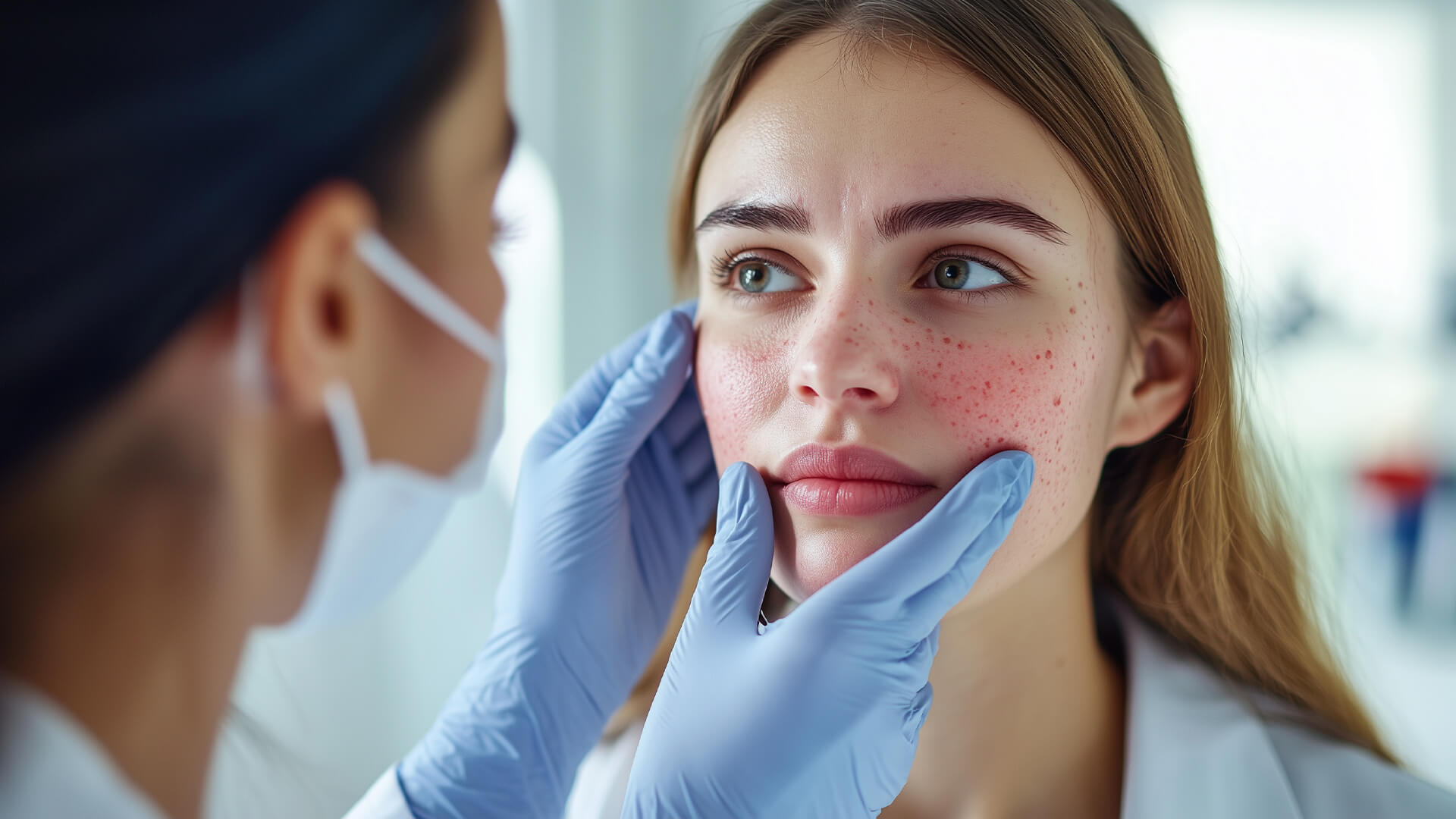
Acne: Understanding the Real Causes & Modern Treatment Approach
Acne is one of the most common conditions treated in dermatology, yet it remains widely misunderstood. It is not simply a problem of hygiene or teenage skin. Acne is a complex inflammatory disorder involving oil glands, hormones, bacteria, and genetic predisposition.
At Kallos Clinic, RA Puram, Chennai, we frequently see both adolescents and adults struggling with persistent acne, unexpected flare-ups, and post-acne pigmentation. With a scientific and medically guided approach, acne can be effectively controlled and long-term skin damage can be prevented.
What Actually Causes Acne?
Acne develops due to multiple interacting factors:
- Excess Sebum (Oil) Production
Overactive sebaceous glands produce excess oil, creating conditions that favor breakouts.
- Clogged Hair Follicles
Dead skin cells combine with oil, blocking pores and forming whiteheads and blackheads.
- Cutibacterium acnes (C. acnes)
This naturally present skin bacteria contributes to inflammation when trapped within blocked follicles.
- Inflammation
Acne is primarily an inflammatory condition, which explains redness, swelling, and painful lesions.
- Hormonal Influence
Hormonal fluctuations stimulate oil glands, leading to acne during puberty, menstrual cycles, stress, or hormonal imbalances.
- Genetics
Family history strongly influences acne severity, recurrence, and treatment response.
Common Acne Myths That Can Worsen Skin
Why Early Acne Treatment Is Important
Acne Treatment at Kallos Clinic, RA Puram
Special Considerations for Indian Skin
When Should You See a Dermatologist?
Acne is a treatable medical condition. Correct diagnosis, targeted therapy, and professional guidance ensure safer and more predictable results.
At Kallos Clinic, RA Puram, Chennai, acne treatment focuses not only on clearing active lesions but also on protecting skin health and preventing long-term damage.