
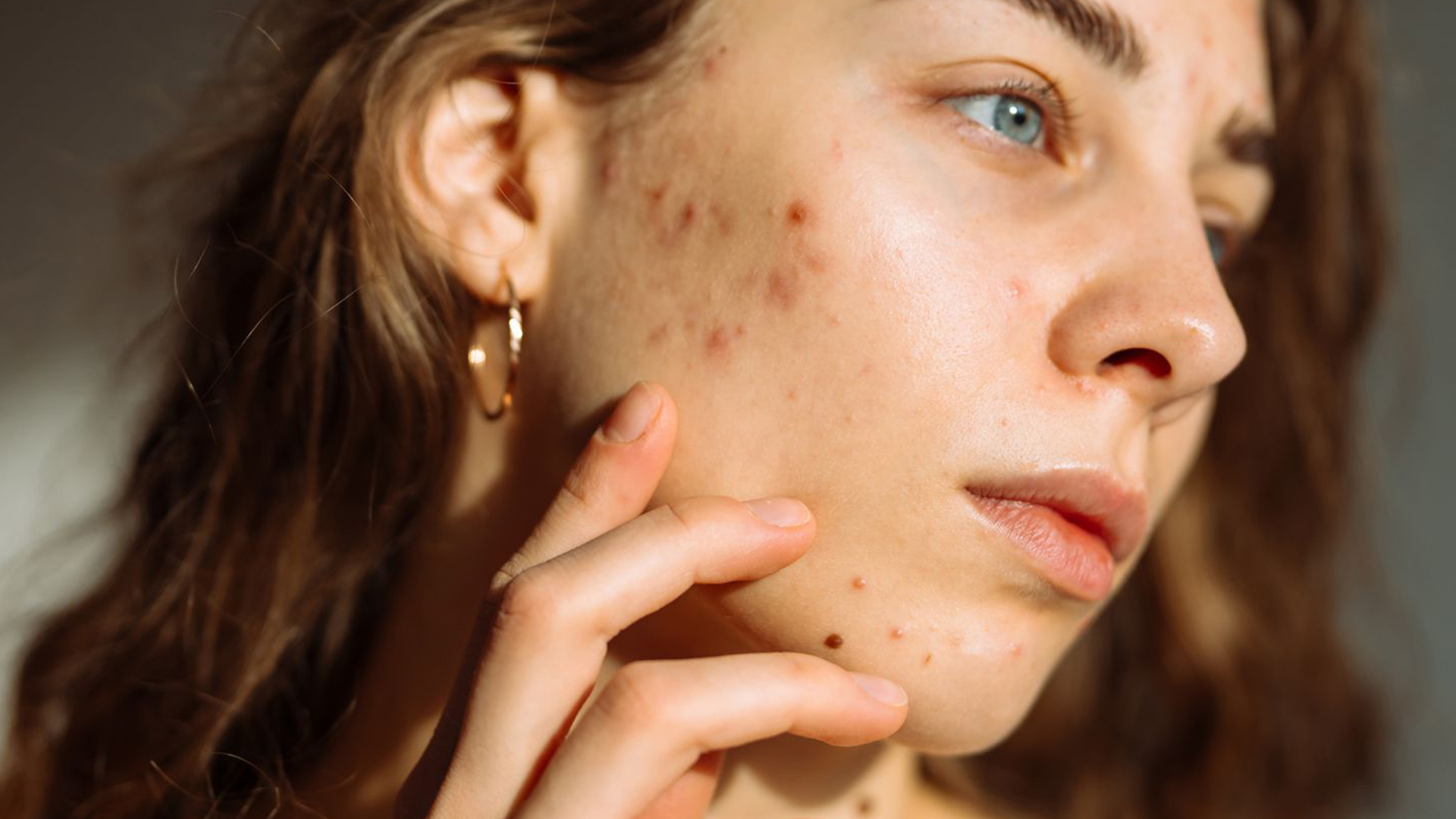
Acne Scars: Causes, Types and Treatment Options
Acne is one of the most common skin conditions affecting both teenagers and adults. While active acne can be treated effectively, many patients are left with acne scars, which can affect skin texture and confidence.
Understanding the type of acne scars and available treatments is essential for choosing the right approach.
Why Do Acne Scars Occur?
Acne scars form when inflamed acne lesions damage the deeper layers of the skin.
When the skin tries to repair itself, it produces collagen. If too little or too much collagen is produced, scars form on the surface of the skin.
Factors that increase the risk of acne scars include:
* Severe inflammatory acne
* Delayed treatment of acne
* Picking or squeezing pimples
* Genetic tendency to scar
Early treatment of acne can significantly reduce the risk of permanent scars.
Types of Acne Scars
Acne scars are not all the same. Identifying the type of scar helps determine the most effective treatment.
Ice Pick Scars
These are deep, narrow scars that extend into the skin, giving the appearance of small puncture marks.
Boxcar Scars
These scars appear as broad depressions with well-defined edges, often seen on the cheeks and temples.
Rolling Scars
Rolling scars create an uneven, wave-like texture on the skin due to fibrous bands pulling the skin downwards.
Post-Inflammatory Pigmentation
Many patients also develop dark marks after acne heals, which are often mistaken for scars. These are pigment changes rather than true scars.
Acne Scar Treatment Options
Modern dermatology offers several treatments that can improve the appearance of acne scars.
Microneedling
Microneedling stimulates collagen production, improving skin texture and mild to moderate scars.
Subcision
Subcision helps release the fibrous bands beneath rolling scars, allowing the skin to lift and smoothen.
Laser Treatments
Advanced laser technologies can stimulate collagen and improve scar depth and skin texture.
Chemical Peels
Certain peels help improve superficial scars and pigmentation associated with acne.
Often, a combination of treatments provides the best results.
Why Professional Treatment Is Important
Many over-the-counter creams claim to remove acne scars, but true scars usually require medical treatments.
A dermatologist can assess:
* The type of scars
* Skin type
* Severity of scarring
* Suitable treatment combinations
This ensures safe and effective results, especially for Indian skin types.
Acne Scar Treatment at Kallos Skin and Wellness Clinic
At Kallos Skin and Wellness Clinic, acne scars are treated using personalised treatment plans tailored to each patient’s skin type and scar pattern.
Our goal is to improve skin texture, stimulate collagen, and restore smoother skin using advanced dermatological treatments.
When Should You See a Dermatologist?
If acne scars are affecting your skin texture or confidence, early treatment can help improve results.
Consulting a dermatologist allows for proper evaluation and customised treatment planning.