
Melasma: Causes, Triggers, and Effective Treatment Options
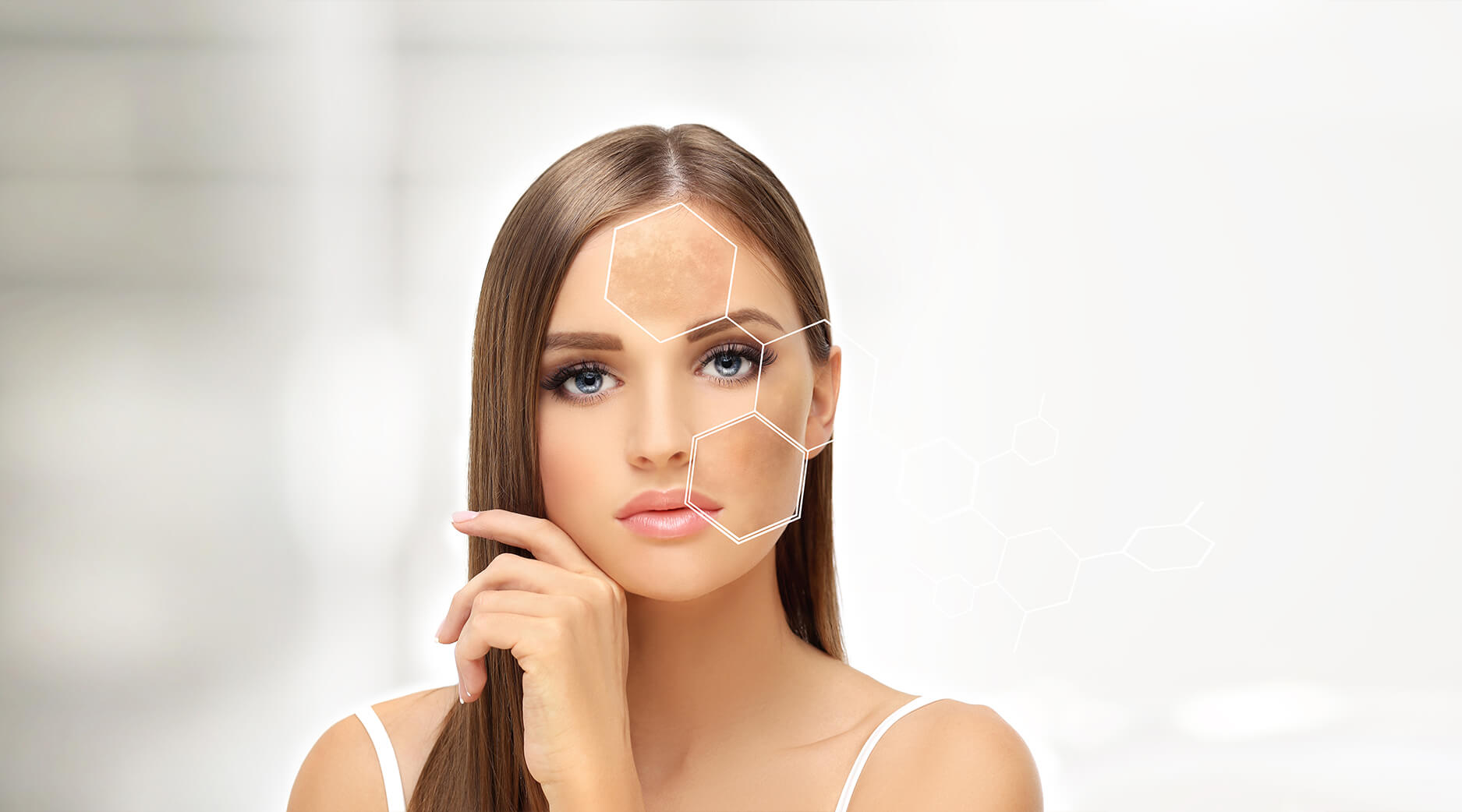
Melasma is a common pigmentation disorder characterized by brown or grey-brown patches, typically seen on the cheeks, forehead, upper lip, and jawline. It is medically harmless but often cosmetically distressing due to its chronic and recurrent nature.
At our dermatology clinic in RA Puram, Chennai, melasma is one of the most frequently treated concerns, especially among individuals with sun-exposed lifestyles and hormonally driven pigmentation.
What Does Melasma Look Like?
Melasma usually appears as:
- Symmetrical brown patches
- Ill-defined borders
- Gradual darkening over time
- Worsening with sun exposure
Unlike post-acne marks, melasma tends to be diffuse and persistent.
What Causes Melasma?
Melasma is a multifactorial condition influenced by:
Sun Exposure
Ultraviolet and visible light strongly stimulate pigment production.
Hormonal Factors
Pregnancy, oral contraceptives, and hormonal fluctuations are well-known triggers.
Heat & Inflammation
Excessive heat can aggravate melasma, which is why certain energy-based procedures require caution.
Genetic Predisposition
Some individuals are inherently more prone to developing melasma.
Why is Melasma Difficult to Treat?
Melasma is not simply surface pigmentation. It involves complex interactions between melanocytes, blood vessels, and inflammatory pathways. Without proper diagnosis, treatments may worsen pigmentation rather than improve it.
Modern Melasma Treatment Approach
Successful management focuses on long-term control, not quick fixes. Depending on skin type and severity, treatment may include:
- Medical-grade topical therapy
- Strict photoprotection
- Barrier repair strategies
- Carefully selected procedures
Not all lasers or heat-based treatments are suitable for active melasma.
When Should You See a Dermatologist?
Consult a dermatologist if you notice:
- Gradually spreading facial pigmentation
- Patches resistant to routine creams
- Pigmentation worsening after facials or treatments
Early intervention reduces chronicity and prevents deepening of pigment.